
Starting a home service business requires more than skill and determination—it also requires the right equipment. Whether the service involves cleaning, landscaping, plumbing, electrical repairs, pest control, or handyman work, having proper tools directly affects efficiency, safety, and customer satisfaction. Investing in essential equipment from the beginning helps prevent delays, reduces errors, and builds a professional image. However, new entrepreneurs must balance quality with budget, especially during early stages when capital may be limited. Choosing durable and reliable tools is often more cost-effective than constantly replacing cheap equipment. In addition to service-specific tools, business owners also need transportation, safety gear, and administrative equipment to operate smoothly. The right equipment allows service providers to complete jobs faster, maintain consistent standards, and compete confidently in the local market. This article outlines the essential equipment to consider when launching a home service business, helping entrepreneurs build a strong operational foundation for long-term growth.
Basic Tools Based on Your Service Niche
The first equipment investment depends entirely on the type of home service offered. Each niche has its own core tool requirements.
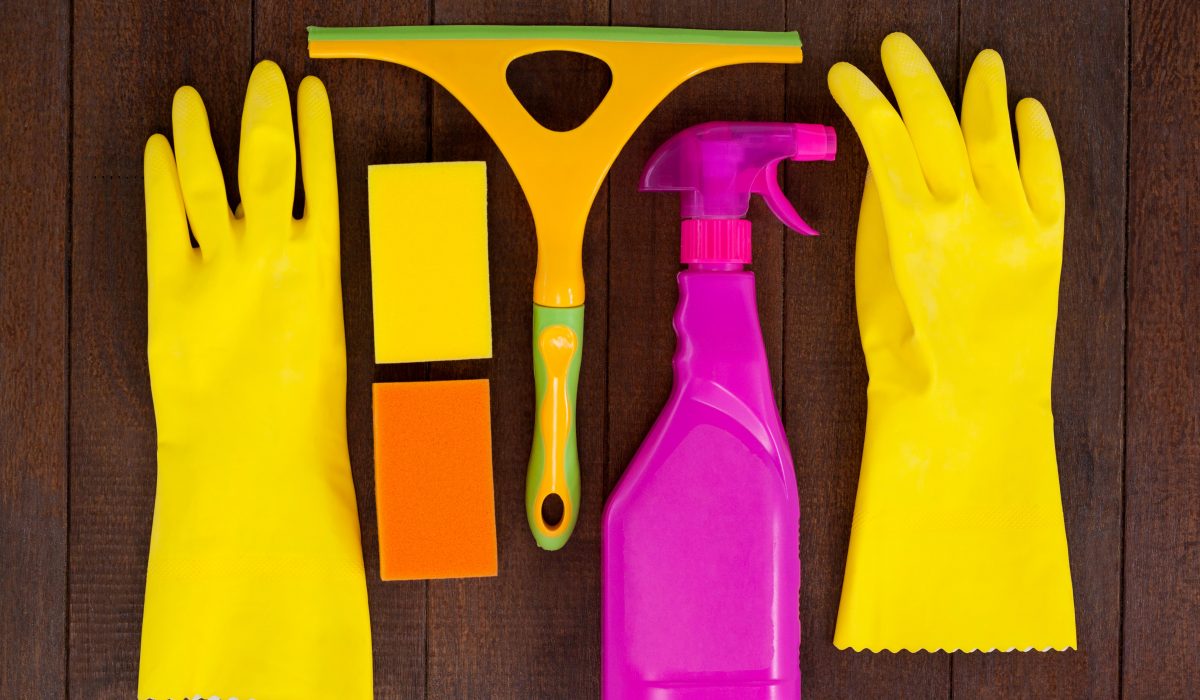
For cleaning businesses, essential tools include industrial vacuums, mops, microfiber cloths, eco-friendly cleaning solutions, and portable storage carts.
Landscaping services require lawn mowers, trimmers, leaf blowers, pruning tools, and irrigation equipment.
Handyman services may need drills, screwdrivers, wrenches, measuring tools, saws, and power tools.
Plumbing and electrical services require specialized equipment that often includes safety testing tools and certification-approved devices.
Before purchasing equipment, entrepreneurs should list the most common tasks they will handle and invest in tools that support those tasks efficiently.
In many business and finance home service equipment checklist discussions, service-specific tools are described as the backbone of operational success.
Reliable Transportation for Service Efficiency
A dependable vehicle is often one of the most important investments in a home service business.
Service providers need transportation not only to reach clients but also to carry tools and supplies safely.
For small cleaning or repair businesses, a compact van or SUV may be sufficient. Larger operations may require cargo vans or trucks.
Vehicle organization systems such as shelves, toolboxes, and secure storage compartments improve productivity and reduce damage to equipment.
Branding the vehicle with business logos and contact information also turns it into a moving advertisement.
In many entrepreneurial growth strategy insights, transportation is described as a mobile office. Efficiency on the road directly affects daily income potential.
Safety Equipment and Protective Gear
Safety should never be overlooked. Home service businesses often involve physical labor, chemicals, electrical systems, or heavy equipment.
Protective gear may include gloves, safety goggles, masks, hard hats, steel-toe boots, and reflective vests.
For cleaning services, protective gloves and proper ventilation masks prevent exposure to chemicals.
Electrical and plumbing professionals may require insulated tools and specialized protective equipment.
Having proper safety gear reduces workplace injuries and builds customer trust.
Insurance providers also expect safety compliance, especially in high-risk service industries.
In many business and finance home service equipment checklist resources, safety equipment is described as an essential investment, not an optional expense.
Technology and Administrative Tools
Beyond physical tools, administrative equipment supports business growth and organization.
A smartphone or tablet with scheduling and invoicing apps simplifies client communication.
Accounting software helps track expenses, revenue, and taxes efficiently.
Portable card readers or digital payment systems allow customers to pay easily on-site.
Customer relationship management (CRM) tools help track repeat clients and follow-up appointments.
Reliable internet access and cloud storage protect business data and improve workflow.
In many entrepreneurial growth strategy insights, technology is described as a competitive advantage. Organized businesses operate faster and appear more professional.
Quality Over Quantity: Choosing Durable Equipment
It can be tempting to purchase the cheapest tools to reduce startup costs. However, low-quality equipment often leads to breakdowns and frequent replacements.
Investing in durable tools saves money long term by reducing downtime and maintenance expenses.
Researching brands, reading reviews, and asking experienced professionals for recommendations improves purchasing decisions.
Some equipment may be leased rather than purchased outright, reducing initial financial pressure.
Balancing budget and durability ensures sustainability.
In many business and finance home service equipment checklist discussions, strategic purchasing is described as critical. Tools directly influence efficiency and reputation.
Equipment for Business Branding and Professional Image
Professional presentation matters in home service industries. Customers invite service providers into their homes, so trust and credibility are important.
Uniforms, branded shirts, and clean toolkits improve first impressions.
Printed invoices, business cards, and organized documentation create confidence.
Branded packaging or labeled supplies add to the overall professional image.
Even small details, such as clean shoes or protective floor coverings, show respect for the client’s property.
In many entrepreneurial growth strategy insights, branding is described as part of equipment investment. Image contributes to repeat business and referrals.
Conclusion
Choosing the right equipment for a home service business is one of the most important decisions an entrepreneur can make. Service-specific tools form the operational foundation, while reliable transportation ensures timely and efficient job completion. Safety equipment protects both workers and clients, reducing risk and supporting professional credibility. Administrative and technological tools streamline scheduling, invoicing, and communication, making daily operations smoother and more organized. Investing in durable, high-quality equipment prevents costly replacements and downtime, while branded materials and professional presentation enhance trust and customer satisfaction. Rather than purchasing every tool at once, new business owners should prioritize essential equipment that directly supports their service niche and gradually expand as revenue grows. The right combination of practical tools, safety gear, and business technology allows home service providers to work efficiently, deliver consistent quality, and build a strong reputation in their local market. With thoughtful equipment planning, entrepreneurs create a solid foundation for sustainable business success.