
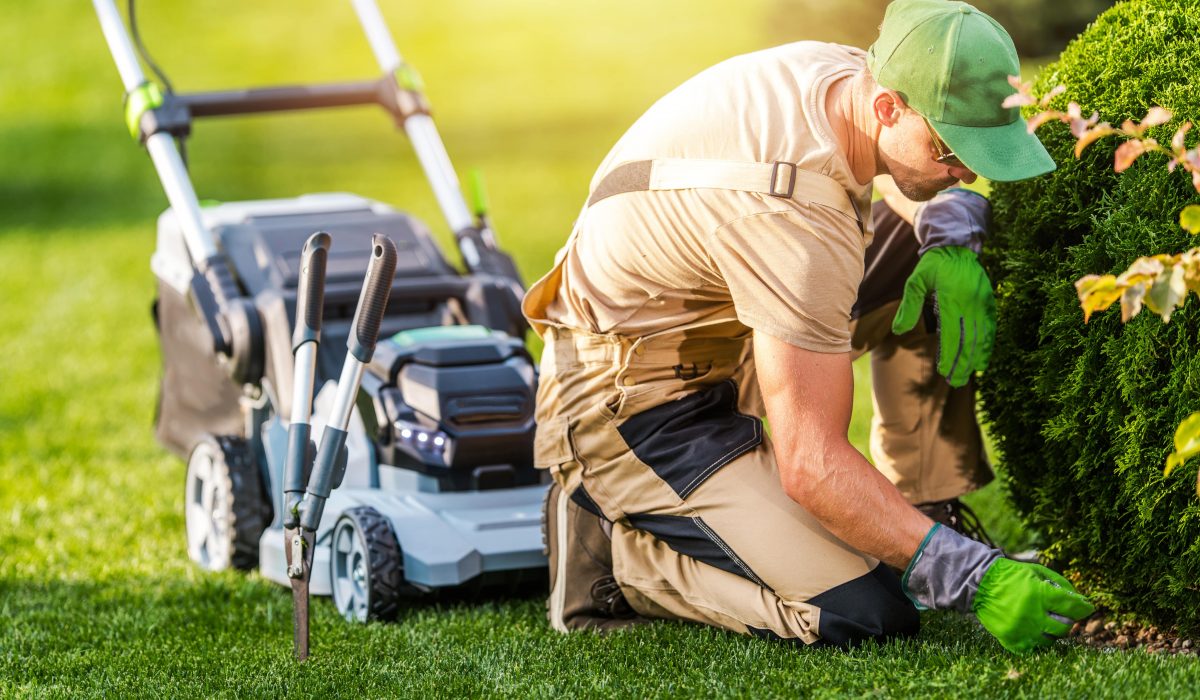
A clean garden is not only about aesthetics—it is about creating an outdoor space that feels relaxing, safe, and easy to maintain. Over time, gardens naturally collect fallen leaves, weeds, debris, and clutter that can make even the most beautiful yard look messy. When left unmanaged, this buildup can also invite pests, encourage plant disease, and prevent healthy growth.
Many homeowners assume garden cleaning requires expensive equipment or professional help, but in reality, a well-organized routine makes the process simple. With the right approach, garden cleaning becomes less overwhelming and more like seasonal refreshment. It also helps protect plants, improve soil quality, and keep outdoor areas functional for family gatherings, kids, or pets.
The best way to clean a garden is to focus on practical steps: remove waste, control weeds, refresh soil, and tidy up the space in a way that supports long-term health. A clean garden does not happen once—it stays clean through smart habits.
Start With a Full Garden Walkthrough and Clear Priorities
The best garden cleaning always starts with observation. Before grabbing tools or rushing into work, it helps to walk through the entire outdoor space and identify what needs attention. Many gardens look messy because multiple small issues pile up at once: dead leaves, broken pots, weeds, overgrown edges, or random clutter. Seeing everything clearly prevents wasted effort and helps create a plan.
During this walkthrough, it is smart to divide the garden into zones. For example, lawn, flower beds, pathways, patio, and corners near fences. Each zone has different cleaning needs. A lawn might need leaf removal and edging, while a flower bed might need pruning and mulching. When tasks are separated, the work feels more manageable.
In the broader world of seasonal home and garden cleaning advice, this step is often the difference between frustration and efficiency. A garden clean-up becomes easier when homeowners focus on what will make the biggest visual and health impact first. Clearing the most noticeable areas—like entry pathways and patios—creates instant progress and builds motivation. Once priorities are set, the cleaning process becomes smoother and far less overwhelming.
Remove Debris, Dead Leaves, and Garden Waste the Right Way
Garden debris is one of the main reasons outdoor spaces look untidy. Fallen leaves, twigs, dead plants, and old mulch can build up quickly, especially after windy weather or seasonal changes. Removing this waste is the first physical task in any proper garden clean-up because it improves both appearance and plant health.
Raking leaves off lawns is important because leaf layers can block sunlight and trap moisture, creating a perfect environment for mold and fungal problems. In garden beds, leaf litter can sometimes be beneficial as a natural mulch, but only in controlled amounts. Thick piles can smother plants and attract pests. The goal is balance: keep what supports soil health and remove what causes rot.
Garden waste should also be disposed of properly. Many Australian councils provide green waste bins or collection services, and composting is an excellent option for households that garden regularly. Composting turns waste into nutrient-rich soil, making it both eco-friendly and cost-effective. By treating garden debris as part of a cycle rather than pure trash, homeowners create cleaner spaces while supporting long-term soil quality.
Weed Control: Cleaning the Garden Without Damaging Plants
Weeds are one of the biggest challenges in any garden, and cleaning without controlling weeds is basically temporary work. Weeds compete with plants for nutrients, water, and sunlight. They also spread quickly, which is why even a small weed problem can become overwhelming in a short time.
The most effective method is removing weeds by the root. Pulling weeds after rainfall or watering makes this easier because the soil is softer. For stubborn weeds, a hand weeding tool or small spade helps lift the roots without disturbing nearby plants. Chemical weed killers may work, but they should be used carefully, especially in gardens with pets, children, or edible plants.
Mulching is one of the best long-term weed control strategies. A thick layer of mulch blocks sunlight, making it harder for weeds to grow. It also improves soil moisture retention and reduces erosion. Many gardeners find that once mulch is applied properly, weekly weeding becomes far less intense.
Weed control is not a one-time task. It is a maintenance habit. When weeds are managed consistently, garden cleaning becomes easier, faster, and far more satisfying.
Pruning, Trimming, and Shaping for a Cleaner Look
Pruning is one of the most visually impactful parts of garden cleaning. Overgrown shrubs, messy hedges, and dead branches can make a garden look neglected even if everything else is tidy. Trimming plants back restores structure and encourages healthier growth.
Pruning also improves airflow and sunlight exposure, which reduces the risk of plant disease. Dead or damaged branches should be removed first, as they can attract pests and weaken the plant. For flowering plants, pruning can encourage better blooms depending on the season and species. It is always best to check whether a plant should be pruned after flowering or during dormancy.
Edging is another powerful detail. Crisp edges around garden beds, lawns, and pathways instantly make a garden look professionally maintained. It also prevents grass from creeping into flower beds.
This approach fits naturally into practical outdoor living and home improvement guides, because pruning is both aesthetic and functional. It improves plant health, reduces future mess, and keeps the garden easier to manage long-term. When trimming is done regularly, the garden maintains a clean, structured look without needing constant heavy work.
Refresh the Soil, Mulch, and Garden Beds for Long-Term Health
A clean garden is not only tidy—it is healthy. After removing debris and weeds, refreshing soil and garden beds is one of the most important steps. Over time, soil becomes compacted, nutrients become depleted, and mulch breaks down. Without renewal, plants struggle even if the garden looks clean on the surface.
Loosening the top layer of soil helps improve oxygen flow and water absorption. Adding compost or organic matter improves nutrient levels and supports beneficial microorganisms. This is especially important for flower beds and vegetable gardens, where plants rely heavily on nutrient-rich soil.
Mulching is one of the best finishing steps. A fresh layer of mulch makes garden beds look neat instantly while also providing functional benefits. It helps regulate soil temperature, reduces evaporation, and prevents weed growth. Mulch also protects plant roots from extreme heat and cold.
Many gardeners skip this step because it feels less visible than trimming or raking, but it is often the key to long-term improvement. A garden that is cleaned but not nourished will quickly look tired again. Soil care ensures the clean-up lasts and the garden continues to thrive.
Clean Garden Furniture, Paths, and Outdoor Features
Garden cleaning is not complete without addressing the hard surfaces and outdoor features. Patios, walkways, fences, garden furniture, and decorative elements often collect dirt, algae, and stains over time. Even if plants look tidy, dirty pathways or dusty furniture can make the whole space feel neglected.
Sweeping patios and pathways removes loose debris. For deeper cleaning, a pressure washer can be useful, but it should be used carefully on delicate surfaces. Some stones, older pavers, or timber decking can be damaged by high pressure. In many cases, warm water, mild detergent, and a stiff brush work just as well.
Outdoor furniture should also be cleaned and checked for wear. Plastic chairs may need a scrub, while timber furniture may benefit from oiling or sealing. Cleaning these items improves both appearance and longevity.
Small details matter here. Cleaning outdoor lighting fixtures, wiping down pots, and removing cobwebs from corners gives the garden a fresh, finished feel. These finishing touches often make the biggest difference in how the space feels overall.
Conclusion
The best way to clean a garden is not to treat it as a one-time project, but as a seasonal routine that keeps the space healthy and enjoyable year-round. By starting with a walkthrough, removing debris, controlling weeds, trimming overgrowth, and refreshing soil, homeowners create a garden that looks neat and supports strong plant growth. Finishing with mulch, clean pathways, and refreshed outdoor furniture gives the entire space a polished and welcoming feel. Garden cleaning does not require expensive tools or professional help—it simply requires consistency and smart prioritization. When tasks are broken into zones and handled step-by-step, the work becomes manageable and even satisfying. A clean garden also reduces pests, lowers disease risk, and makes outdoor areas more functional for relaxation and gatherings. With the right habits, any garden—large or small—can stay tidy, vibrant, and easy to maintain without constant stress.