
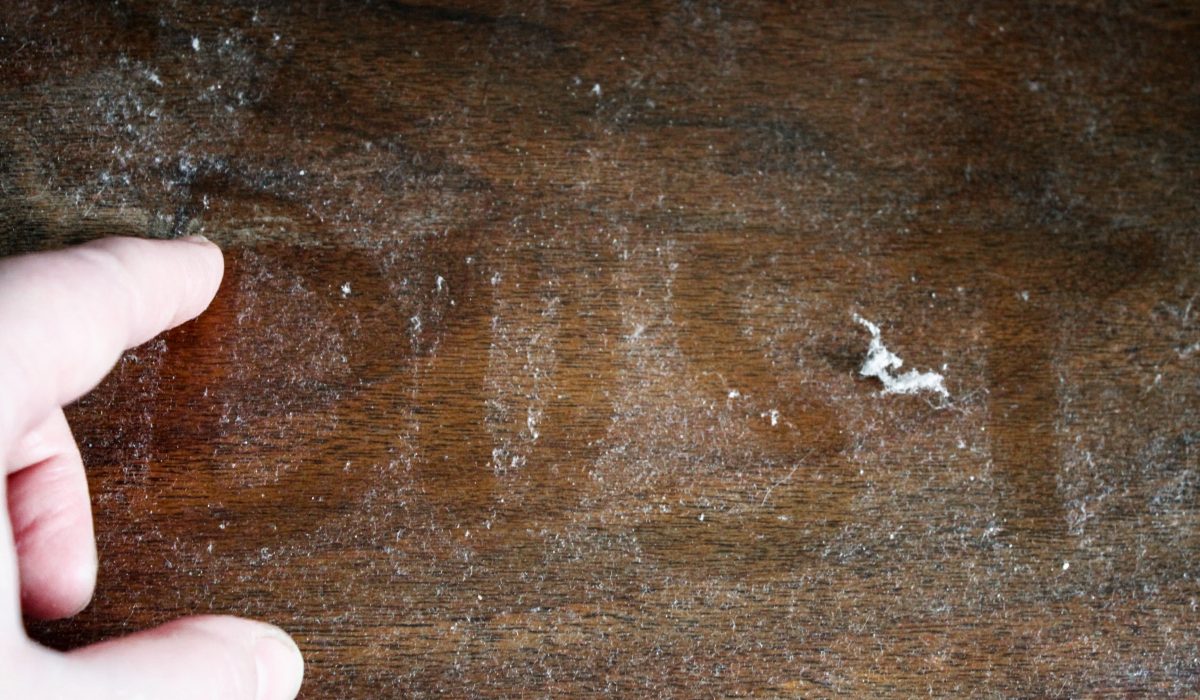
Dust allergies are one of the most common reasons people struggle with sneezing, congestion, watery eyes, and constant irritation at home. Many assume the problem is simply “dust,” but the real trigger is often dust mites—tiny organisms that thrive in bedding, carpets, furniture, and other soft surfaces. Because these allergens hide in everyday spaces, symptoms can feel never-ending, especially in bedrooms where people spend the most time.
What makes dust allergies so frustrating is that they often mimic colds, causing people to treat the wrong issue for weeks. The good news is that dust allergy symptoms can be managed effectively with consistent home habits, smart cleaning routines, and the right prevention methods. While there is no instant “one-step cure,” many people can significantly reduce flare-ups and improve breathing within days or weeks.
With the right approach, living comfortably—even in a dust-prone home—becomes completely possible.
Understanding What Really Causes Dust Allergies
Dust allergies are often misunderstood. Many people think the dust they see floating in sunlight is the main problem, but that visible dust is only part of the story. The more serious triggers usually come from dust mites, their waste particles, and sometimes mold spores or pet dander mixed into household dust. These allergens become airborne when people vacuum, shake bedding, or even sit on upholstered furniture.
Dust mites thrive in warm, humid environments. They feed on dead skin cells and live in mattresses, pillows, blankets, rugs, curtains, and stuffed toys. Because they are microscopic, they are impossible to remove completely. However, the goal is not perfection—it is reduction. Lowering the allergen load in the home is often enough to make symptoms far more manageable.
Within the broader world of everyday health and beauty wellness tips, dust allergies are one of the clearest examples of how lifestyle habits influence physical comfort. It is not only about medication. It is about creating an environment where the body does not constantly fight invisible irritants. Once the true cause is understood, the solution becomes far more realistic: reduce exposure, improve air quality, and support the immune system consistently.
Bedroom Fixes That Make the Biggest Difference
For most people, the bedroom is the worst place for dust allergy symptoms. That is because mattresses and pillows collect allergens more than almost any other household item. A person spends hours breathing close to these surfaces, making exposure intense and repetitive. The first step is to create a barrier between the sleeper and the allergens.
Using dust-mite-proof mattress and pillow covers can dramatically reduce symptoms. These covers are designed with tightly woven fabric that blocks mite particles from escaping into the air. Washing sheets and pillowcases weekly in hot water is also one of the most effective habits. Cold water may clean visible dirt, but it does not reliably kill mites.
Another major improvement comes from reducing soft clutter. Extra throw pillows, heavy curtains, and piles of clothing can trap dust and make the room harder to keep clean. For people with allergies, a simple, minimal bedroom is often a healthier one. When the bedroom is treated as an allergy-safe zone, sleep improves, breathing becomes easier, and mornings become less miserable.
Cleaning Habits That Actually Reduce Allergens
Many people clean regularly and still suffer from dust allergies because their cleaning routine spreads allergens rather than removing them. Dry dusting, for example, often pushes particles into the air where they can be inhaled. A better approach is damp dusting using a microfiber cloth. Microfiber traps particles instead of scattering them.
Vacuuming is also important, but the type of vacuum matters. Vacuums without proper filtration can blow allergens back into the air. HEPA-filter vacuums are recommended because they trap tiny particles effectively. If carpets are heavily triggering symptoms, switching to hard flooring can help, but that is not always realistic. In those cases, frequent vacuuming combined with a good air purifier can still make a noticeable difference.
It is also important to clean “forgotten zones” such as ceiling fans, vents, baseboards, and behind furniture. Dust builds up in these areas and re-circulates through airflow. Cleaning should be consistent, but not obsessive. The goal is allergen control, not spotless perfection. When cleaning becomes strategic rather than random, dust allergy symptoms usually reduce significantly over time.
Air Quality, Humidity, and Why the Home Environment Matters
Air quality plays a major role in dust allergy control. Even if surfaces are cleaned, allergens can remain suspended in the air. Air purifiers with HEPA filters help by continuously capturing airborne particles such as dust mite debris, pollen, and pet dander. They are especially helpful in bedrooms and living rooms where people spend most of their time.
Humidity is another overlooked factor. Dust mites thrive in humid conditions, usually above 50%. Keeping indoor humidity between 30% and 50% can reduce mite populations naturally. A dehumidifier can be extremely helpful in damp climates or in rooms that hold moisture, such as basements.
Ventilation also matters. Stale indoor air allows allergens to build up, while controlled airflow can reduce concentration. However, opening windows can sometimes bring in outdoor allergens like pollen. The best approach depends on the season and location. For many households, the ideal setup includes HEPA filtration, balanced humidity control, and regular HVAC filter changes. When the environment is controlled, the body experiences fewer triggers and symptoms become easier to manage.
Treatments, Medications, and When to See a Doctor
While home management is essential, many people still need medical support to control symptoms. Over-the-counter antihistamines can reduce sneezing, itching, and watery eyes. Nasal corticosteroid sprays are often considered one of the most effective options for chronic nasal congestion and inflammation. Saline rinses can also provide relief by flushing allergens out of the nasal passages.
For people who experience symptoms year-round, allergy testing may be useful. Testing confirms whether dust mites are the primary trigger or whether other allergens such as mold or pet dander are involved. This matters because treatment becomes more effective when it is targeted.
In more severe cases, doctors may recommend immunotherapy (allergy shots or tablets). This is not an instant cure, but it can significantly reduce sensitivity over time. Immunotherapy works by gradually training the immune system to respond less aggressively. For individuals whose quality of life is heavily impacted, this option can be life-changing. The key is recognizing when symptoms have moved beyond “annoying” into “disruptive,” and seeking professional guidance instead of suffering silently.
Long-Term Prevention and Lifestyle Adjustments That Help
Dust allergy control is not a one-week project. It is a long-term lifestyle adjustment. The good news is that once the right habits are in place, they become routine. Simple changes like washing bedding weekly, using protective covers, and keeping humidity under control can reduce symptoms dramatically over time.
Lifestyle habits also play a role in resilience. Sleep, hydration, and balanced nutrition support the immune system, making the body less reactive. While these habits do not remove allergens, they help the body recover faster and respond less intensely.
Many people find it helpful to create a “maintenance plan” rather than cleaning only when symptoms get bad. For example, replacing air filters monthly, vacuuming twice a week, and rotating deep-cleaning tasks prevents allergen buildup. This approach aligns with trusted guides for modern living and personal wellness, where small consistent habits outperform occasional extreme efforts. Dust allergies can be frustrating, but they are manageable. With steady prevention, breathing easier becomes the new normal.
Conclusion
Dust allergies can feel endless, but they are far more manageable than most people realize once the real triggers are understood. While there is no instant cure, the most effective approach combines allergen reduction, air quality improvement, and consistent prevention habits. By focusing on the bedroom first, using protective covers, washing bedding properly, and cleaning with the right techniques, many people notice a major drop in symptoms. Adding HEPA filtration, controlling humidity, and maintaining a strategic cleaning schedule strengthens results long-term. For those with persistent or severe reactions, medical treatments such as antihistamines, nasal sprays, and immunotherapy can provide additional relief and improve quality of life. The key is treating dust allergy management as an ongoing lifestyle system rather than a quick fix. With the right routines in place, sneezing fits, congestion, and constant irritation no longer have to control daily life.