
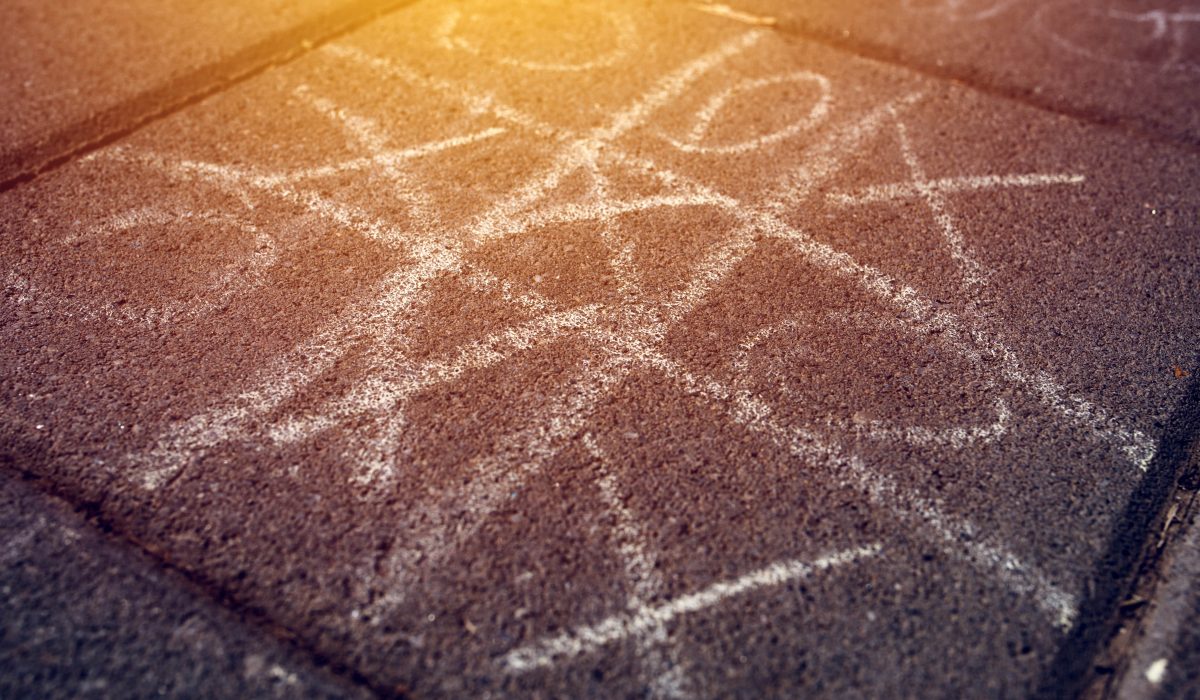
Before smartphones, online multiplayer matches, and streaming entertainment became part of daily life, kids in the 90s grew up with a different kind of fun. Traditional games were a major part of childhood during that decade, especially in neighborhoods where children played outside until sunset. These games did not require expensive equipment or advanced technology—just creativity, energy, and a group of friends. Many traditional games in the 90s were passed down from older generations, but they became strongly associated with the decade because of how commonly they were played. From street games and schoolyard competitions to indoor board games shared during rainy days, the 90s offered a wide variety of playful experiences. These games helped children build social skills, physical coordination, teamwork, and friendly competition. This article explores traditional games that were widely popular in the 90s, why they mattered, and why many of them remain unforgettable even in today’s digital world. For many people, these games represent more than nostalgia—they represent community, simplicity, and pure childhood joy.
Outdoor Street Games That Defined 90s Childhood
Outdoor street games were some of the most memorable parts of growing up in the 90s. These games were usually played in front yards, alleys, playgrounds, or open neighborhood spaces.
Tag was one of the most universal games. Whether it was regular tag, freeze tag, or shadow tag, it required no equipment and could be played with any number of kids.
Hide and seek was another classic. It was simple, exciting, and always felt like an adventure—especially at dusk when the neighborhood lights turned on.
Games like “Red Light, Green Light” were also popular, especially during school breaks. They were fun because they combined speed, control, and laughter.
These games were loved because they were spontaneous. Kids could start playing instantly without needing planning or materials.
In many games and gambling classic traditional games list discussions, street games are described as the heart of 90s play culture because they brought kids together daily.
Classic Ball Games Played Everywhere
Ball games were a major part of 90s traditional play. Many kids spent hours playing simple sports-style games using only a ball and imagination.
Kickball was extremely popular in schoolyards and neighborhoods. It was easy to learn, and it allowed many players to join at once.
Dodgeball was another iconic 90s game, often played in physical education classes. It combined fast reflexes, teamwork, and friendly rivalry.
Basketball and street soccer were also common. Even without official courts or goals, kids created their own boundaries and rules.
Four square, played with a rubber ball, was a schoolyard favorite. It was competitive but simple, making it perfect for short recess periods.
In many nostalgic play culture insights, 90s ball games are described as social and energetic. They taught teamwork, competitiveness, and confidence through play.
Traditional Playground and Schoolyard Games
School playgrounds were full of traditional games in the 90s. These games were often played during recess, lunch breaks, or after school.
Jump rope was a huge part of 90s play, especially with group chants and double-dutch challenges. It required rhythm, stamina, and coordination.
Hopscotch was also popular. It was simple but competitive, and it helped kids develop balance and movement skills.
Marbles, although older than the 90s, were still played by many kids. They were especially common in certain regions where marble games remained part of school culture.
Hand clapping games were also widespread, especially among younger children. These games combined rhythm, memory, and social bonding.
In many games and gambling classic traditional games list articles, playground games are described as timeless. They were passed down and adapted by each generation of kids.
Indoor Board Games and Family Game Nights
Not all traditional 90s games happened outside. Many families enjoyed board games and card games at home, especially during weekends or holidays.
Monopoly was one of the most iconic board games. It often turned into long competitive sessions that families still joke about today.
Scrabble and word-based games were also common, especially in households that enjoyed educational play.
Games like chess and checkers remained popular because they were easy to store and play repeatedly.
Card games such as Uno, Go Fish, and Crazy Eights were also favorites. They were quick to learn and fun for all ages.
These indoor games helped strengthen family relationships and created shared memories.
In many nostalgic play culture insights, board games are described as the original “offline entertainment.” They taught patience, strategy, and social interaction.
Traditional Handheld and Pocket Games
The 90s was also the era when simple handheld and pocket games became extremely popular. These were not fully modern video games, but they were a bridge between traditional play and digital fun.
Tamagotchi was one of the biggest 90s phenomena. Kids carried digital pets and cared for them throughout the day.
Yo-yos also became a major trend. Many kids practiced tricks and competed with friends.
Rubik’s Cubes remained popular in the 90s as well. Solving them became a challenge that kids proudly showed off.
Jacks, spinning tops, and small pocket toys were also common, especially during school breaks.
These games were loved because they were portable. Kids could play them alone or share them with friends.
In many games and gambling classic traditional games list, handheld and pocket games are described as a key part of 90s culture because they were simple, collectible, and highly social.
Why Traditional 90s Games Still Matter Today
Traditional games from the 90s are still remembered because they created real connection. Kids played face-to-face, negotiated rules, and learned social skills naturally.
These games also encouraged physical activity. Running, jumping, and teamwork were part of daily play, which supported healthier lifestyles.
Traditional games also built creativity. Without technology, kids invented new rules, combined games, and adapted play to different environments.
Many of these games are still played today because they are timeless. Parents and teachers continue teaching them to new generations.
Some communities even promote traditional games as a way to reduce screen time and rebuild social interaction.
In many nostalgic play culture insights, traditional 90s games are described as cultural treasures. They represent a time when fun was simple, shared, and community-based.
Conclusion
Traditional games of the 90s remain unforgettable because they were built on simplicity, creativity, and strong social connection. Outdoor street games like tag and hide-and-seek brought kids together daily, while ball games such as kickball, dodgeball, and four square added friendly competition to schoolyards and neighborhoods. Playground activities like jump rope and hopscotch created fun routines that many people still remember clearly, and indoor board games helped families bond through shared time and laughter. Even handheld trends like Tamagotchi, yo-yos, and Rubik’s Cubes became iconic because they were portable and easy to enjoy anywhere. These traditional games mattered because they encouraged movement, imagination, and real-world communication. In a modern era dominated by screens, the appeal of 90s traditional games continues to grow, reminding people that some of the best entertainment does not require technology—only friends, energy, and a willingness to play.